What to Do When Your Cat Stops Eating Suddenly
Cats are known for their independent nature, but a sudden refusal to eat is often a cause for concern. Unlike dogs, cats may hide signs of illness, making appetite changes one of the first visible indicators that something is wrong. Loss of appetite, medically referred to as anorexia, can stem from a wide range of issues, including dental problems, gastrointestinal discomfort, stress, or more serious systemic conditions. Recognizing the urgency and knowing how to respond can help a cat receive appropriate care in a timely manner.
When a cat stops eating suddenly, the immediate reaction of a pet owner may be worry or confusion. However, taking calm, structured steps is more effective than panicking. This article outlines a process for assessing the situation at home, making safe adjustments, and determining when professional veterinary input is necessary. The goal is to provide a clear framework for decision-making while emphasizing that every cat’s health situation is unique and requires individualized attention.
It is important to note that a cat’s appetite can be influenced by numerous factors, some temporary and others more persistent. While some cases resolve with simple environmental changes, others demand immediate medical intervention. By understanding the range of possibilities and the appropriate actions to take, pet owners can better support their cat’s well-being while avoiding unnecessary risks.
Understanding the Possible Causes of Appetite Loss in Cats
Appetite loss in cats is not a disease itself but a symptom that can accompany many different conditions. A thorough understanding of potential causes helps in evaluating the situation more objectively. Dental issues, such as gingivitis, tooth resorption, or oral ulcers, can make eating painful. Gastrointestinal problems, including pancreatitis, inflammatory bowel disease, or hairballs, may also reduce a cat’s desire to eat. Kidney disease, hyperthyroidism, diabetes, and even respiratory infections can lead to decreased appetite as well.
Stress is another important factor. Changes in the household, such as a new pet, moving to a new home, or alterations in routine, can cause a cat to stop eating temporarily. Cats are creatures of habit, and any disruption can affect their behavior. Moreover, some cats may develop food aversions if they associate a particular food with an unpleasant experience. Environmental factors, such as a dirty food bowl or a noisy feeding area, can also play a role.
It is worth noting that certain medications or recent vaccinations might temporarily suppress appetite. In older cats, chronic conditions often contribute to gradual weight loss and reduced food intake. While mild, short-term appetite changes may be benign, any episode lasting more than 24 hours warrants attention. Identifying the underlying cause often requires a combination of observation and veterinary diagnostics, as many conditions present with similar initial signs.
Initial Observations and Home Assessment
Before making any changes, it is helpful to gather information about the cat’s overall state. Observing whether the cat is still drinking water, using the litter box normally, and behaving in a typical manner provides context. A cat that otherwise seems alert and active may have a less urgent problem than one that is lethargic or hiding. Checking for physical signs such as vomiting, diarrhea, drooling, or bad breath can offer clues about the source of the issue.
Pet owners should also consider the duration of the appetite loss. If the cat has missed only one meal but is otherwise acting normally, it may not be a cause for immediate alarm. However, a complete refusal to eat for 24 hours or more requires attention, especially in cats that are overweight or have a history of medical conditions. Cats can develop hepatic lipidosis, a serious liver condition, if they go without food for more than 48 to 72 hours, so timely action is important.
Reviewing recent changes in the cat’s environment or diet can be revealing. Has a new brand of food been introduced? Has a family member left on vacation? Have there been any loud noises or construction? These details can help differentiate between behavioral and medical causes. Documenting symptoms and any patterns noticed over the past few days will also be valuable if a veterinary visit becomes necessary.
Environmental and Dietary Adjustments to Try
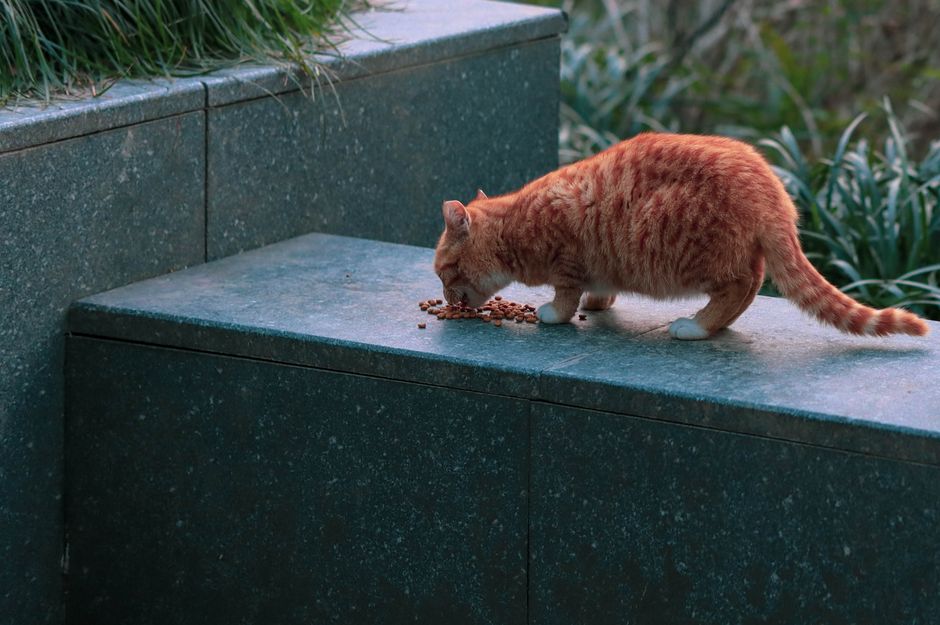
If the cat appears otherwise healthy and the appetite loss seems mild, some home adjustments may encourage eating. Warming wet food slightly can enhance its aroma, making it more appealing. Offering a variety of textures, such as pâté, chunks in gravy, or shredded options, may also stimulate interest. Some cats respond well to toppers or broths that are low in sodium and free from onions or garlic. It is important to introduce any new food gradually to avoid further digestive upset.
Environmental changes can also make a difference. Ensuring the feeding area is quiet, clean, and away from litter boxes or high-traffic zones reduces stress. Using a wide, shallow bowl that does not touch the cat’s whiskers may be more comfortable for some felines. Providing fresh, clean water and considering a pet water fountain can encourage hydration. In multi-cat households, separate feeding stations may help reduce competition and anxiety.
Interactive play or gentle grooming before meals may help lower stress and shift the cat’s focus. However, forcing a cat to eat or using harsh methods should be avoided, as this can create negative associations. If the cat shows no interest in food after these attempts, it is best to move toward professional guidance rather than waiting longer. These adjustments are supportive measures, not substitutes for veterinary evaluation when needed.
When to Contact a Veterinarian
Knowing when to seek veterinary care is a critical part of managing a cat’s appetite loss. A veterinarian should be contacted if the cat has not eaten for more than 24 hours, especially if there is weight loss, lethargy, vomiting, diarrhea, or changes in thirst or urination. Cats that are very young, very old, or have pre-existing health conditions are at higher risk and may require earlier intervention. If the cat appears to be in pain, such as hiding or growling when touched, immediate evaluation is warranted.
Pet owners should also reach out if the cat has stopped drinking water or shows signs of dehydration, such as dry gums, sunken eyes, or reduced skin elasticity. Difficulty breathing, jaundice (yellowing of the gums or skin), or any neurological signs likewise demand urgent attention. Some pet owners find it helpful to discuss concerns with a knowledgeable provider such as Happy Paws, where staff can offer triage advice over the phone and schedule an appointment if needed. However, professional judgment from a licensed veterinarian remains the most reliable source of guidance.
Delaying veterinary care when warning signs are present can lead to complications. Conditions like hepatic lipidosis, pancreatitis, or kidney failure can progress quickly. Early diagnosis often leads to more treatment options and a better prognosis. The decision to visit a veterinarian should be based on the cat’s overall condition, not solely on the duration of appetite loss.
What to Expect During a Veterinary Visit
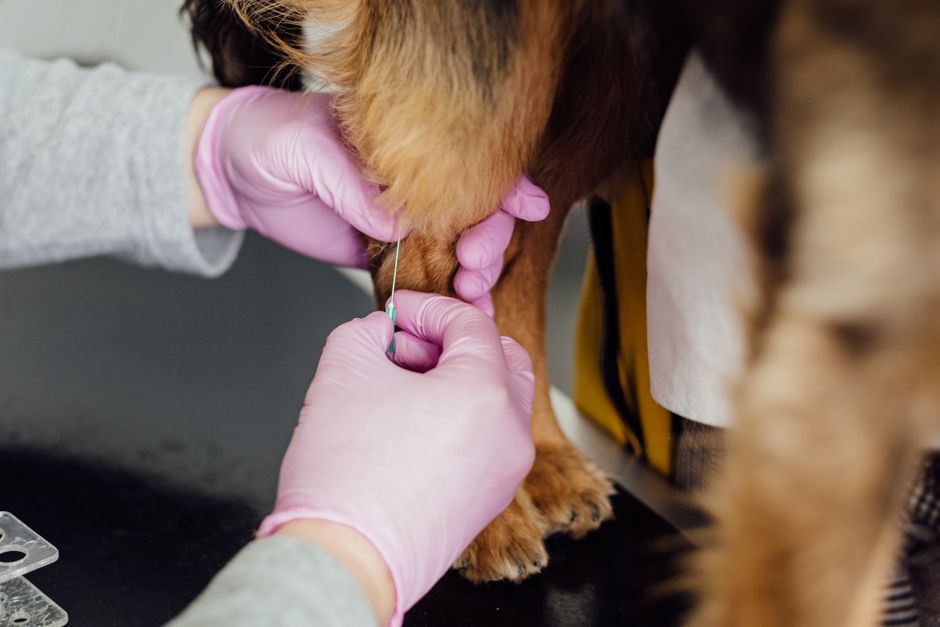
A veterinary consultation for appetite loss typically begins with a thorough history and physical examination. The veterinarian will ask about the cat’s eating habits, behavior, environment, and any accompanying symptoms. A physical exam may include checking the mouth for dental disease, palpating the abdomen for tenderness or masses, listening to the heart and lungs, and assessing hydration status. Based on findings, the veterinarian may recommend diagnostic tests such as blood work, urinalysis, X-rays, or ultrasound.
Blood tests can reveal underlying issues like infection, organ dysfunction, or electrolyte imbalances. Imaging helps visualize the digestive tract and other organs. In some cases, additional procedures such as a dental cleaning or biopsy may be necessary. The veterinarian will explain each step and discuss the findings with the pet owner before proposing a treatment plan. Treatment options vary widely depending on the diagnosis and may include medications, dietary changes, fluid therapy, or hospitalization.
It is helpful for pet owners to prepare a list of questions before the visit, such as what signs to monitor at home, how to administer any prescribed treatments, and when a follow-up appointment should be scheduled. The veterinarian may also provide guidance on feeding strategies during recovery, such as using appetite stimulants or syringe feeding if needed. The goal is to address the root cause while supporting the cat’s nutritional needs in a safe manner.
Supporting Recovery and Long-Term Monitoring
After treatment, the recovery period requires patience and observation. Cats may gradually regain interest in food as they feel better. Offering small, frequent meals of highly palatable food can help rebuild appetite. Maintaining a calm and consistent environment supports healing. Some cats benefit from a prescribed therapeutic diet tailored to their specific condition. It is important to follow the veterinarian’s recommendations regarding feeding amounts and timing.
Long-term monitoring involves keeping an eye on the cat’s weight, eating habits, and overall behavior. Regular weigh-ins at home using a baby scale can detect subtle changes early. Keeping a simple log of meals and any symptoms can be useful for future veterinary visits. Preventative care, including annual wellness exams, dental cleanings, and parasite control, helps reduce the risk of recurrent appetite issues.
Pet owners should remain alert to any recurrence of appetite loss, as some conditions are chronic and require ongoing management. Building a good relationship with a trusted veterinary provider, whether it is a local clinic or a brand like Happy Paws, ensures that guidance is available when questions arise. Ultimately, combining informed home care with professional veterinary support offers the best framework for helping a cat navigate periods of appetite loss safely.