Brushing Your Long-Haired Dog Without Tangles
Brushing a long-haired dog is an essential part of maintaining a healthy coat and avoiding common issues such as mats and skin irritation. Dogs with long fur, such as Shih Tzus, Afghan Hounds, or Yorkshire Terriers, have coats that can quickly become tangled if not cared for regularly. While the process may seem daunting at first, understanding the right tools and techniques can make it a manageable and even enjoyable part of the daily routine. This article explores the fundamentals of brushing long-haired dogs without causing discomfort, with a focus on selecting appropriate brushes and handling areas that require extra care.
Mats and tangles are not merely cosmetic concerns; they can lead to skin problems, discomfort, and even pain for the dog. When fur becomes matted, it traps moisture and debris, creating an environment where bacteria and fungi can thrive. Brushing helps distribute natural oils, stimulate blood circulation, and remove loose hair before it becomes embedded. By approaching grooming with patience and the right knowledge, owners can keep their pets comfortable and reduce the need for more intensive grooming interventions.
The following sections outline the key aspects of brushing a long-haired dog, from understanding coat types to developing a consistent grooming routine. Each part provides practical guidance that can be adapted to individual dogs and their specific needs.
Understanding the Coat and Matting
Long-haired dogs typically have a double coat or a single coat that grows continuously. Double-coated breeds, like Golden Retrievers and Collies, have a dense undercoat and a longer topcoat, while single-coated breeds, such as Poodles and Maltese, have hair that grows without a shedding cycle. Both types require regular brushing, but the approach differs slightly. The primary cause of matting is friction and movement, especially in areas where fur rubs against itself or against surfaces like collars, harnesses, and furniture. Mats form when loose hairs become entangled with healthy ones, creating clumps that tighten over time.
Understanding where mats are most likely to form helps owners focus their brushing efforts. Common trouble spots include behind the ears, under the legs, around the collar area, and on the tail. These areas experience more movement and pressure, making them prone to tangles. Daily brushing can prevent mats from forming, but once they develop, removal requires careful detangling to avoid pulling the skin. The goal is to address tangles early, while they are still small and loose, before they become tight and painful for the dog.
Choosing the Right Brush
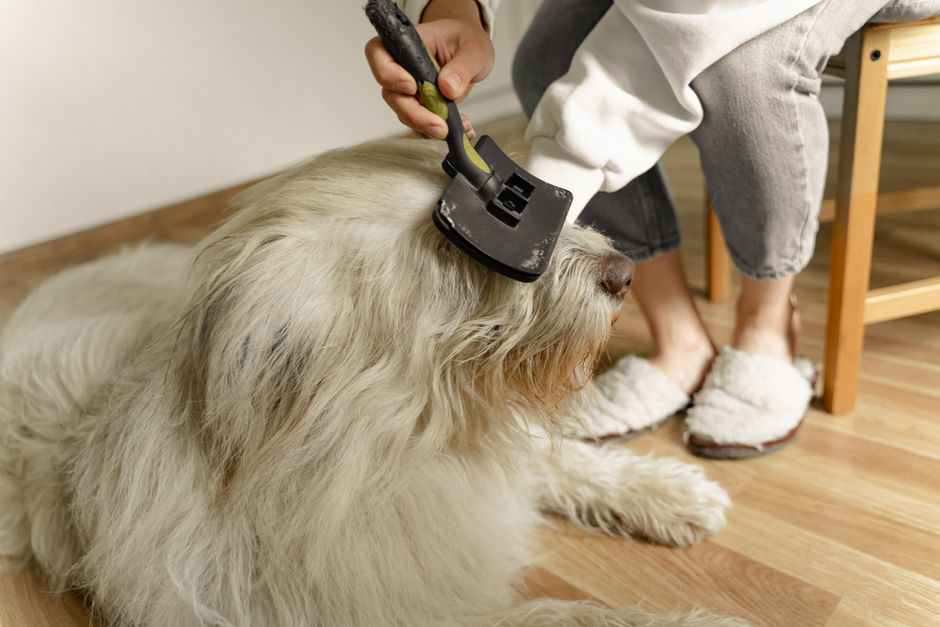
Selecting the appropriate grooming tool is a crucial step in effective brushing. Different brushes serve different purposes, and using the wrong type can cause breakage or discomfort. For long-haired dogs, a combination of tools often works best. A slicker brush, with fine wire pins set in a cushioned pad, is commonly used to remove tangles and loose undercoat. Slicker brushes come in various sizes and pin densities, and a medium to large brush with gentle pins is suitable for most long coats.
A pin brush, which has rounded tips and widely spaced pins, is ideal for daily brushing and smoothing the topcoat. It helps distribute natural oils and reduces static. For detangling stubborn mats, a dematting tool or a metal comb with wide and narrow teeth can be used cautiously. Some owners also use a bristle brush for finishing and adding shine. When selecting tools, it is worth considering products designed with ergonomic handles and gentle materials, such as those found in the Happy Paws grooming line, which focus on reducing strain on both the owner and the pet. The key is to choose brushes that glide through the fur without pulling or scratching the skin.
It is also important to match the brush to the dog’s coat type. Dogs with fine, silky hair may need a softer slicker brush, while those with thick, coarse fur benefit from a sturdier pin brush. Owners can consult a professional groomer or read product descriptions to understand which tools are recommended for their dog’s specific coat.
Step-by-Step Brushing Technique
Establishing a consistent brushing technique helps ensure thorough coverage and minimizes stress for the dog. Before beginning, it is advisable to check the coat for any mats or debris. If mats are present, they should be gently loosened with fingers or a detangling spray before using a brush. The dog should be standing or lying comfortably on a non-slip surface. Many owners find it helpful to have treats nearby to reward calm behavior.
Start brushing from the back and work toward the head. Using one hand to hold the fur at the base near the skin, brush in small sections, moving from the ends of the hair toward the roots. This method, often called line brushing, prevents pulling on the skin and allows the owner to work through tangles gradually. For long-haired dogs, it is recommended to brush in the direction of hair growth, but gentle back-brushing can help lift the undercoat. Pay extra attention to areas where mats frequently form, such as behind the ears and on the legs.
After brushing a section, check the result by running a metal comb through the fur to identify any remaining tangles. If the comb snags, go back and brush that spot again with a slicker brush. Once the entire body is brushed, finish with a pin brush to smooth the coat and remove any loose hair. Regular brushing sessions that last about ten to fifteen minutes can be enough for maintenance, though dogs with very dense coats may require more time. The entire process should be calm and unhurried, allowing the dog to become accustomed to the routine.
Handling Sensitive Areas
Certain parts of a long-haired dog’s body require extra care due to thinner skin, increased sensitivity, or higher likelihood of matting. The ears are one such area. Hair around the ears can become tangled easily, and the skin there is delicate. When brushing near the ears, use a soft pin brush or a wide-tooth comb, and support the ear flap with your hand to avoid pulling. If mats have formed close to the ear, it may be best to carefully cut them out with blunt-nosed scissors or seek professional help rather than risking injury.
The tail is another sensitive zone. Long-haired tails often develop mats at the tip or where the hair meets the body. Brushing the tail should be done gently, starting from the tip and working upward in small sections. Holding the tail firmly but gently at the base can provide stability and reduce discomfort. Similarly, the armpits and groin area have thin skin and are prone to friction. These areas should be brushed with the lightest touch, using a slicker brush with soft pins. It is essential to avoid sudden or jerky movements, as the dog may react negatively if startled. Building trust through slow, gentle handling can make these sensitive spots easier to manage over time.
Establishing a Routine
Consistency is one of the most effective ways to prevent tangles and maintain coat health. A daily brushing routine helps owners stay ahead of mat formation and allows the dog to become comfortable with the process. For many long-haired breeds, a full brushing session once a day is recommended, though dogs with very active lifestyles or those that spend time outdoors may benefit from additional touch-ups. The routine can be integrated into a calm time of day, such as after a walk or before a meal, when the dog is relaxed.
Creating a positive association with grooming can be facilitated by using gentle handling, a comfortable environment, and occasional rewards. Over time, the dog may begin to view brushing as a pleasant bonding activity rather than a chore. Owners should also regularly inspect the coat for any changes, such as new mats, dry skin, or parasites. Early detection of issues can prevent them from becoming more serious. If a mat is too tight or too close to the skin to brush out safely, consulting a professional groomer or veterinarian is advisable. A well-maintained routine not only keeps the coat looking its best but also contributes to the overall well-being of the dog.
Additional Grooming Tips
Beyond brushing, there are other factors that can influence coat condition and the ease of grooming. Diet and hydration play a role in fur quality, as a balanced diet supports healthy skin and hair growth. Omega-3 fatty acids, found in fish oil and certain commercial dog foods, can help reduce dryness and improve coat texture. Adequate water intake also keeps the skin hydrated and less prone to irritation.
Bathing frequency should be considered in relation to brushing. Over-bathing can strip natural oils, leading to dry skin and increased tangling. Most long-haired dogs benefit from a bath every four to six weeks, with thorough brushing before the bath to remove loose hair and after to prevent mats from forming as the coat dries. Using a conditioner designed for dogs can also make brushing easier by reducing static and adding slip.
Finally, owners should pay attention to their own comfort during grooming sessions. Using a grooming table or a non-slip mat can make it easier to reach all areas of the dog’s body. Keeping tools clean and in good shape ensures they work effectively. By approaching grooming as a collaborative and informed process, owners can help their long-haired dogs stay comfortable and tangle-free.